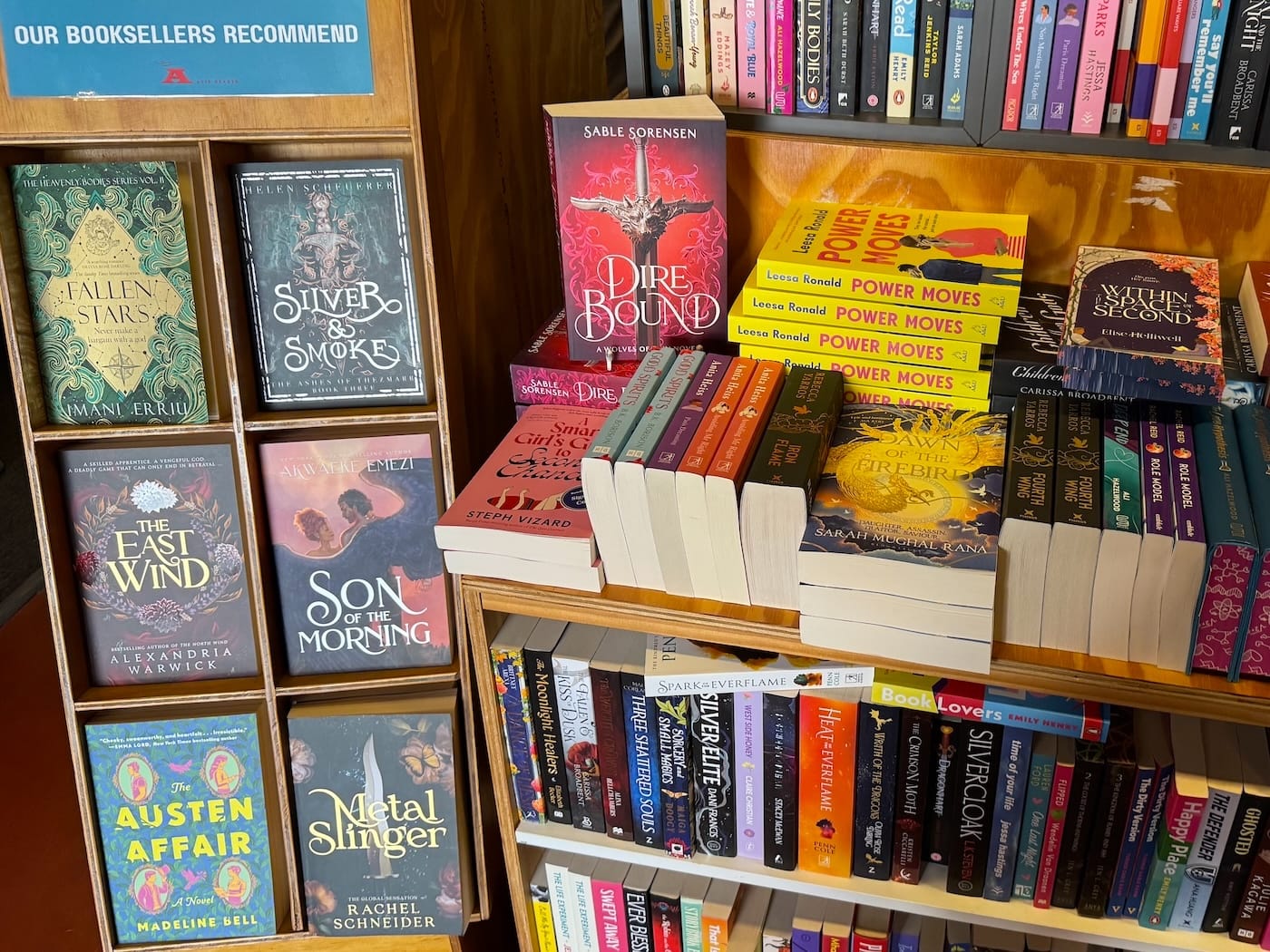
Over ten years ago I wrote a post that ended up being one of my most read of all time. I had just come out of tutoring a course on genre fiction, and I was frustrated by the fact that when I looked up fantasy subgenres online I would get one of three things: a detailed look at a few specific subgenres that ignored all the others, a breakdown of someone’s own very personalised way of categorising things, or an epic three-digit list of every fantasy sub-genre under the sun, many of which I’d never heard of.
What I couldn’t find was a list of the most common sub-genre terms I saw being used regularly, with definitions, examples, and acknowledgement of the fact that people sometimes use the same term to mean different things, or use multiple terms to refer to the same type of story. Genres are, after all, not the rigid categories we would often like them to be, but constantly shifting, blurry-at-the-edges labels shaped by our nebulous collective understanding, the books that gain popularity, and the whims of marketing teams.
So back in 2015, I decided to do some research and write a list myself, in large part to clarify things in my own mind. Funnily enough, the resulting post – 18 Common Fantasy Subgenres – turned out to be helpful to more than just me, with visitors arriving regularly from search engines and links on educational sites.
Over the years I made a couple of minor updates to it, figuring that if school kids were landing on it I ought to ensure it wasn’t terribly outdated. Now, however, ten years later, a more substantial overhaul was needed. So I set to work… and then realised this would be an interesting opportunity to examine what has changed in the fantasy genre since I first wrote that list. What popular subgenres have risen or fallen? How has the use of terms changed? Here’s what I found:
Continue reading